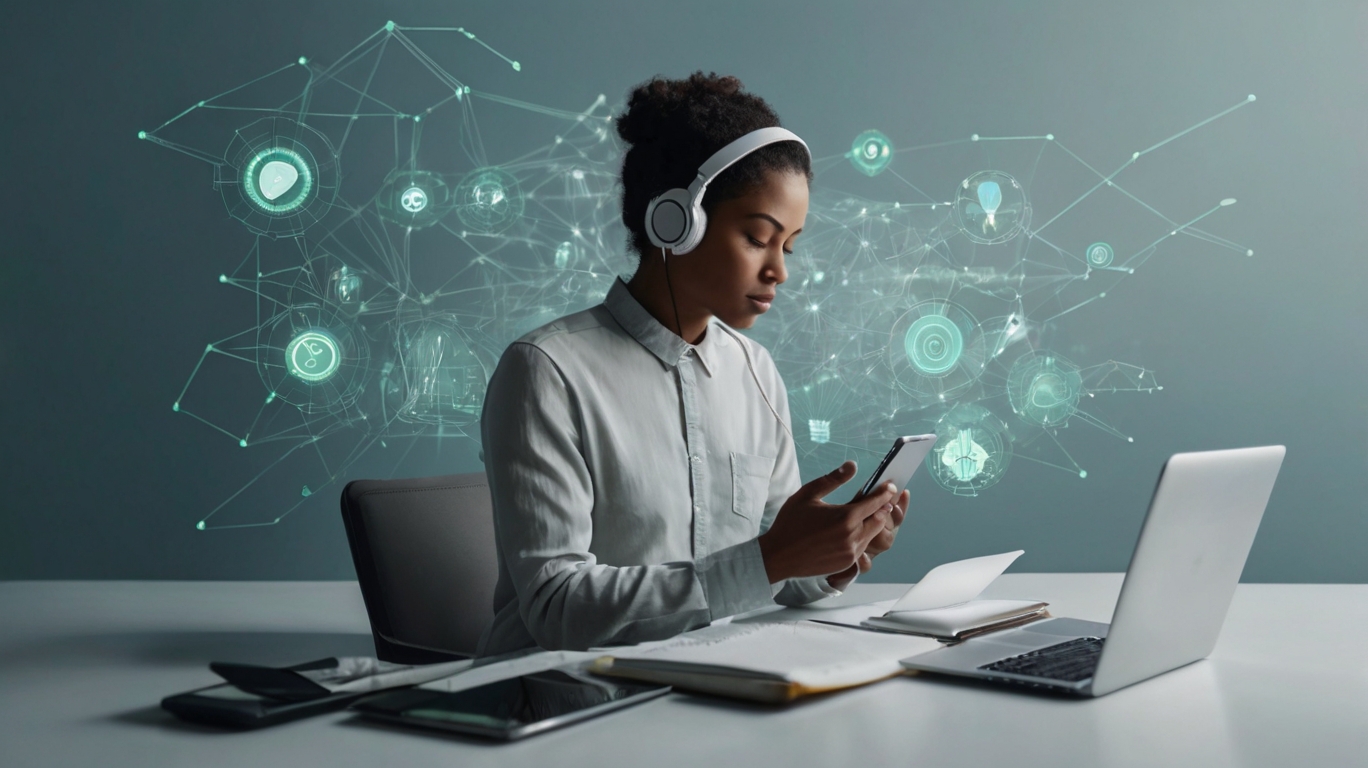
In today’s digital age, social media is woven into the fabric of our daily lives. It offers incredible opportunities to connect with friends, family, and colleagues, but it can also present challenges to our well-being. Navigating social media effectively means finding a balance between staying connected and maintaining mental and physical health. Here’s a comprehensive guide to help you manage your online presence without sacrificing your well-being.
Understanding the Impact of Social Media
Social media platforms are designed to capture our attention and keep us engaged. However, excessive use can lead to digital fatigue and negatively affect our mental health. The impact of social media on mental health is well-documented, including issues like anxiety, depression, and poor sleep quality. It’s essential to be aware of these effects to manage them effectively.
Setting Digital Communication Boundaries
One of the first steps in maintaining well-being while navigating social media is to establish digital communication boundaries. This involves setting clear limits on how and when you engage online. For example, avoiding late-night social media use can help you sleep better and feel more refreshed.
Avoiding Digital Procrastination
Social media can often be a source of digital procrastination, where we find ourselves endlessly scrolling instead of focusing on tasks at hand. To combat this, consider using tools and strategies to avoid digital procrastination. This might include setting specific times for social media use or using apps that block distractions during work hours.
Managing Screen Time Effectively
Effective managing screen time is crucial in today’s digital world. Tools and techniques for managing screen time include setting app limits, scheduling device-free times, and using productivity tools. Additionally, it’s important to be mindful of the impact of blue light on sleep. Reducing blue light exposure before bed can help improve sleep quality.
Embracing Digital Minimalism
Digital minimalism is the practice of intentionally reducing the amount of digital clutter in your life. This approach helps in focusing on what truly matters and reducing the stress associated with constant notifications. Learn more about how digital minimalism can transform your productivity and overall well-being.
The Benefits of Unplugging
Sometimes, the best way to reconnect with yourself is to take a break from screens. The benefits of unplugging are profound, including reduced stress, improved focus, and enhanced personal relationships. Consider planning regular digital detox periods to refresh your mind and body.
Practicing Mindfulness with Technology
Incorporating mindfulness into your daily routine can help you stay present and focused amidst the digital noise. Using best mindfulness apps can be a great way to start. Apps that guide you through meditation and mindfulness exercises can help in maintaining a balanced approach to technology.
Balancing Friendships and Social Media Relationships
Maintaining balancing friendships online is key to nurturing real-life relationships. It’s important to prioritize face-to-face interactions and ensure that social media doesn’t replace meaningful in-person connections. Remember that social media relationships should complement, not replace, offline relationships.
Creating a Distraction-Free Workspace
A distraction-free workspace is essential for productivity. Reducing digital distractions and creating a dedicated work environment can significantly enhance focus and efficiency. Consider using productivity tools to manage tasks and limit interruptions.
Implementing Digital Time Management Strategies
Effective time management strategies are crucial for balancing work and leisure. Incorporating techniques such as setting priorities, using time-tracking apps, and scheduling regular breaks can help manage online and offline tasks efficiently.
Developing Digital Communication Skills
Good digital communication skills are vital in maintaining healthy online interactions. Practice digital communication etiquette to ensure your online presence is positive and respectful. This includes being mindful of your tone and content, and respecting others’ boundaries.
Engaging in Daily Mindfulness Practices
Integrating daily mindfulness into your routine can help manage stress and improve focus. Techniques such as mindful breathing and mindful listening can enhance your ability to stay present and connected without being overwhelmed by digital stimuli.
Reducing Digital Eye Strain
Prolonged screen time can lead to digital eye strain. Implementing practices to reduce digital eye strain such as using screen filters, adjusting screen brightness, and taking regular breaks can help maintain eye health.
Mastering Time Management with Digital Tools
Using time management with digital tools effectively can streamline your daily tasks and improve productivity. Explore various tools and apps designed to help manage your schedule, set reminders, and keep track of your tasks.
Starting a Digital Detox Plan
A digital detox plan can be a valuable strategy for resetting your digital habits. Whether it’s a weekend digital detox or a longer break, planning your detox and setting clear goals can lead to significant improvements in your overall well-being.
Addressing Digital Fatigue and Anxiety
Digital fatigue and anxiety are real concerns in our tech-driven world. Understanding digital fatigue and employing techniques to manage anxiety can help mitigate these effects. Regular breaks, mindfulness, and reducing screen time are effective ways to combat these issues.
Practicing Digital Intimacy
Maintaining digital intimacy involves fostering meaningful online connections while also ensuring they do not replace real-life interactions. Engage in practices that strengthen your digital relationships without sacrificing personal, face-to-face connections.
Conclusion
Navigating social media is a balancing act between staying connected and safeguarding your well-being. By implementing strategies such as setting digital communication boundaries, managing screen time, and embracing mindfulness, you can enjoy the benefits of social media without compromising your mental and physical health. Remember, effective digital time management and a mindful approach to technology can lead to a healthier, more fulfilling digital experience.